Billy wallson
Senior DirectorThe space where you arrive and leave deserves more thought than a pile of shoes and a hook.
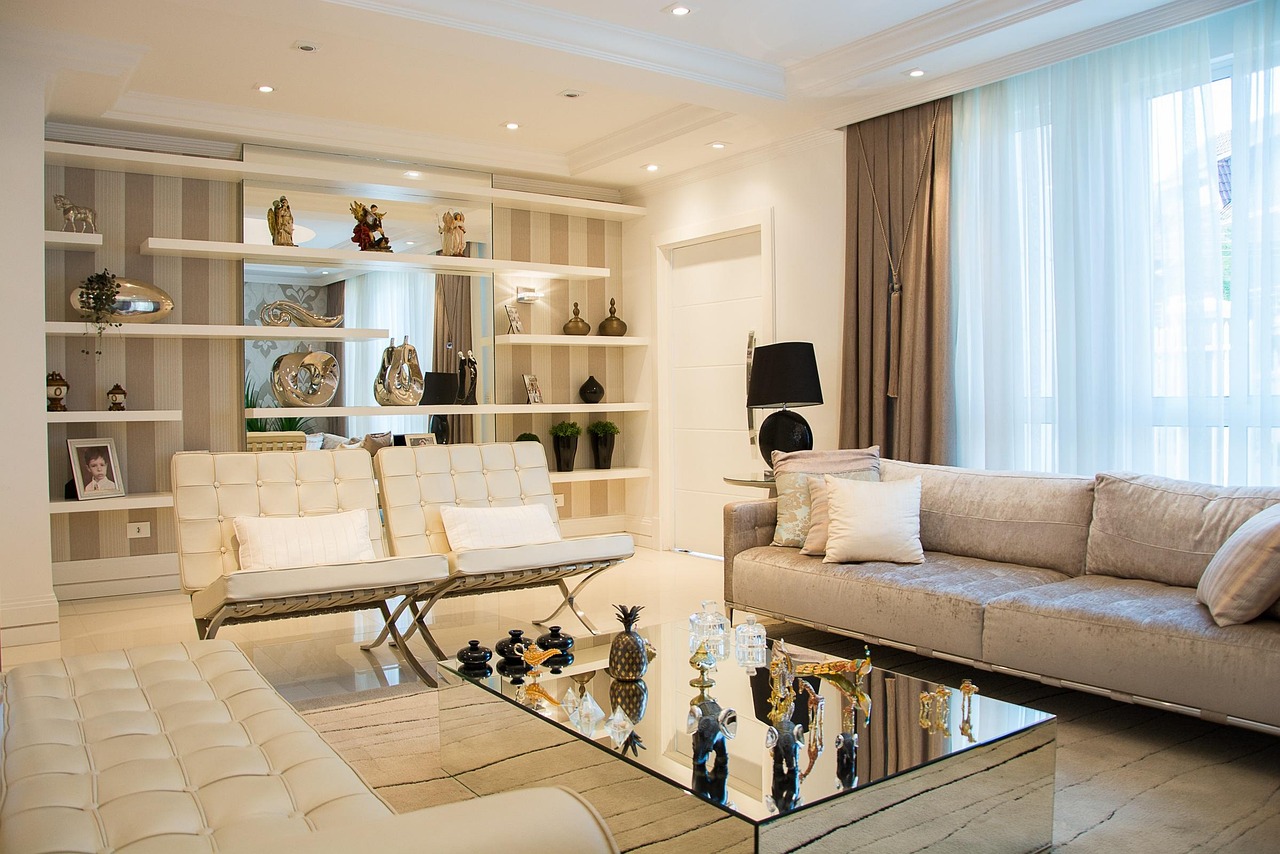
There's a quiet pressure that comes with moving into a new place. The boxes are barely unpacked before we feel the urge to fill every wall, every corner, every shelf. Social media feeds us images of perfectly styled homes that look like they were assembled in a single afternoon, and we measure ourselves against that impossible standard. But what if the most beautiful homes aren't the ones that were finished quickly, but the ones that were allowed to grow?
Slow decorating is less of a style and more of a mindset. It's the practice of furnishing and styling your home gradually, letting each piece earn its place. Instead of buying an entire room's worth of furniture in one shopping spree, you wait. You watch how the light moves through the space. You notice where you naturally gravitate to read, where you pile up mail, where the dog likes to nap. The home tells you what it needs, and you respond in time.
When we furnish a room all at once, we tend to buy matching sets and safe choices. Everything coordinates, but nothing surprises. The result can feel like a showroom rather than a sanctuary. Slow decorating pushes back against this by prioritizing the specific over the generic. A chair inherited from a grandparent might not match the sofa, but it carries a story. A rug found at a flea market might have the exact faded tones that make a room feel warm. These pieces don't arrive on schedule, and that's precisely the point.
There's also a practical benefit. Living in a space before fully decorating it reveals how you actually use it. Maybe you thought you wanted a formal dining area, but you end up eating at the kitchen counter every night. Maybe that corner you planned for a reading nook turns out to be the perfect spot for a small desk. Waiting gives you information that no design quiz can provide.
Slow decorating doesn't mean doing nothing. It means being intentional. Start with the pieces you truly need: a comfortable place to sit, a table to eat at, a bed to sleep in. Choose these foundational items with care, favoring quality and comfort over trends. Then, live with the empty spaces. Let them breathe. Over the following months, keep an eye out for art, textiles, and objects that genuinely move you. When you find something you love, bring it home and see how it settles in.
One of the joys of this approach is that your home becomes a record of your life. The ceramic bowl you bought on a trip, the print you found at a local market, the blanket that was a gift from a friend — each object arrives with its own memory attached. Over years, these layers accumulate into something no single shopping trip could ever replicate. Your home becomes autobiographical, and that's a far richer goal than simply being finished.
So if your walls are still bare and your shelves are half-empty, consider it an invitation rather than a failure. You're not behind. You're in the middle of a process that rewards patience. The best rooms are never really done — they just keep becoming.

Find out how natural materials, plants, and views of green can make your interior feel calmer and more alive.

Cracks, knots, and uneven glazes aren't flaws to hide — they're the details that make a room feel alive.
Sometimes a single decisive piece does more for a room than a whole cart of accessories ever could.

A lease doesn't have to mean living with someone else's taste — or with blank walls and beige everything.

The space where you arrive and leave deserves more thought than a pile of shoes and a hook.

Learn how thoughtful layout, light, and multifunctional furniture can make a compact home feel generous and calm.

Copyright © 2026 Open Window. All Rights Reserved.


Roseanne Williams
Sep 11, 2026 ReplyDiscover how embracing patience and collecting pieces over time can create a home with more soul than any weekend makeover.