Billy wallson
Senior DirectorExplore how the minimalist aesthetic is softening, trading stark white boxes for texture, warmth, and lived-in comfort.
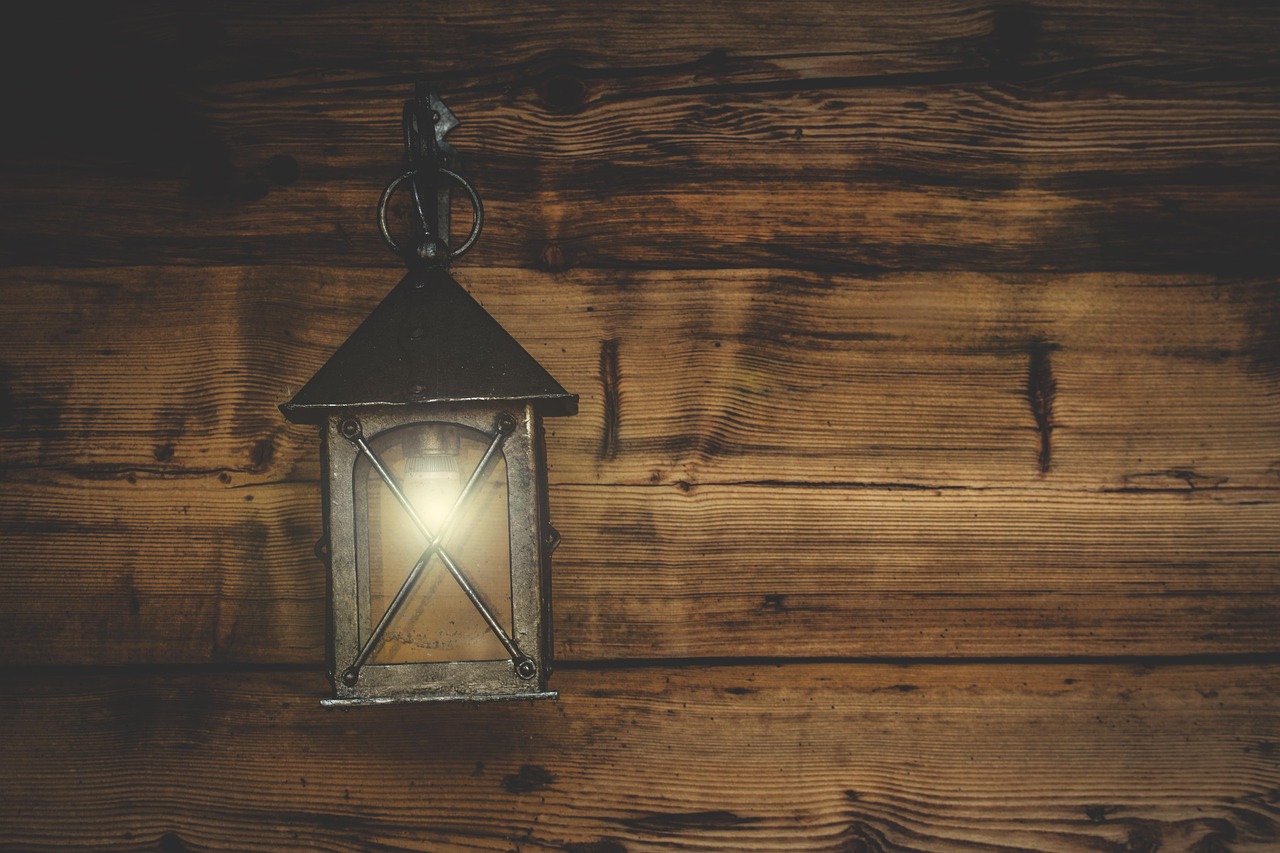
Ask anyone to name the most important element in a room and they'll probably say the furniture, the color, or the art. But lighting quietly does more to shape how a space feels than almost anything else. A room that looks flat and uninviting during the day can become warm and enveloping at night with the right lamps. A room that feels harsh can be softened with a single change of bulb. Lighting is the invisible decorator, and once you start paying attention to it, you'll never see your home the same way again.
The core principle is layering. A single overhead light, no matter how stylish, tends to flatten a room. It casts harsh shadows, highlights flaws, and creates an unflattering, institutional feel. Instead, aim for at least three sources of light in any room you spend time in: a general light, a task light, and an accent light. Each plays a different role, and together they create depth and atmosphere.
In the living room, start with a floor lamp or a pair of table lamps for general glow. Add a task light near your reading chair — an adjustable lamp works well. Then layer in accent lighting: a small lamp on a console, a picture light above art, or even a string of warm fairy lights tucked into a bookshelf. Dimmer switches, where possible, let you adjust the mood from bright and social to soft and quiet with a single turn.
In the bedroom, lighting should be calm and low. Avoid bright overheads at night. Bedside lamps with warm bulbs are essential, and a small lamp on a dresser adds a gentle glow. Consider a dimmer or a smart bulb that shifts warmer as the evening goes on. The goal is to help your body wind down, not jolt it awake.
The kitchen often gets the worst lighting in the house — a single fluorescent panel that makes everything look slightly green. If you can, add under-cabinet lights to illuminate counters, and a pendant or two over an island or table. Warm bulbs make food look more appetizing and the room feel more welcoming.
You don't need to rewire your home to improve your lighting. Often, the simplest fixes have the biggest impact. Swap cool white bulbs for warm ones — around 2700K is a good target for most living spaces. Add a lamp to a dark corner. Put a dimmer on the most-used light in the house. Move a lamp away from the wall so light can spread in multiple directions.
Pay attention to how light hits surfaces, too. Uplighting a plant or a textured wall creates soft, indirect glow. A candle on the dinner table changes the entire mood of a meal. These small touches add up. Lighting isn't a one-time decision — it's something you can adjust seasonally, or even nightly, to match how you want to feel. Once you start treating light as a design tool, your home will feel different in the best way.

The space where you arrive and leave deserves more thought than a pile of shoes and a hook.

Learn how thoughtful layout, light, and multifunctional furniture can make a compact home feel generous and calm.
Discover how embracing patience and collecting pieces over time can create a home with more soul than any weekend makeover.

Learn how thoughtful layout, light, and multifunctional furniture can make a compact home feel generous and calm.

Explore how the minimalist aesthetic is softening, trading stark white boxes for texture, warmth, and lived-in comfort.

Find out how natural materials, plants, and views of green can make your interior feel calmer and more alive.

Copyright © 2026 Open Window. All Rights Reserved.


Roseanne Williams
Aug 31, 2026 ReplyUnderstand how layering light sources can transform the mood of every room in your home, from kitchen to bedroom.