Billy wallson
Senior DirectorThe space where you arrive and leave deserves more thought than a pile of shoes and a hook.
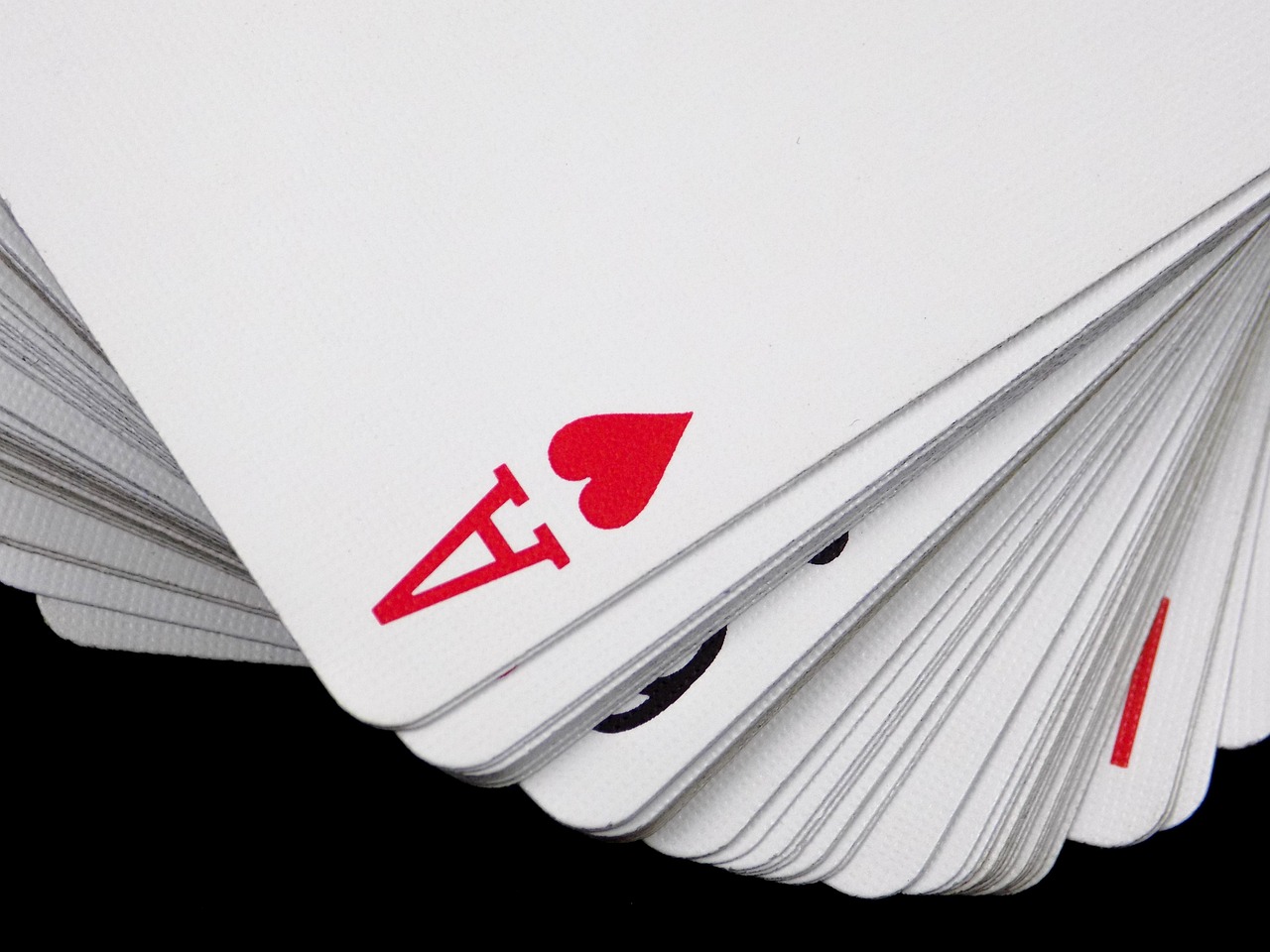
Every slot machine in a regulated casino is a losing proposition over time. That's not cynicism, it's arithmetic. The house edge on a typical video slot sits somewhere between two and ten percent, depending on the game and the jackpot structure. Compare that to blackjack played with basic strategy, where the edge can shrink to around half a percent, or a well-played poker game, where the rake is the only unavoidable tax. So why do slots generate the overwhelming majority of casino revenue worldwide? Because they're designed by people who understand psychology better than most poker players understand math.
That's the uncomfortable truth nobody puts on a banner ad. The slot floor isn't a game of chance in the pure sense. It's a game of chance wrapped in an experience engineered to keep you pulling the lever.
Sit at a poker table for three hours and you'll make hundreds of decisions, most of them uncomfortable. Fold a decent hand because the math says so. Bet into a scary board. Watch a fish suck out on the river and still smile. Poker punishes ego. It rewards discipline, patience, and the ability to sit still while everyone around you gets lucky. For up-to-date information, visit LLWIN.
Slots do the opposite. They reward nothing except continued play. Every spin is independent, the RTP is baked in, and there is no decision that changes the long-term outcome. You pick the machine, the bet size, and when to stop. That's it. The game itself is a closed system. So the only variable you actually control is your own behavior.
Poker professionals understand this instinctively because they live in a world where variance is constant and the edge is thin. A good poker player doesn't tilt after a bad session because they know the sample size is what matters. Slot players, by contrast, are trained by the machine to tilt. Near-misses, loss disguised as a win, and the intermittent reward schedule all push the brain into the same dopamine loop that makes gambling addictive.
RTP, or return to player, is the percentage of all wagered money a machine pays back over millions of spins. A 96% RTP slot returns 96 cents per dollar wagered in the long run. That sounds fine until you realize a three-hour session at $2 a spin and 600 spins per hour is $3,600 wagered. At 96% RTP, the expected loss is $144. At 92% RTP, it's $288. Over a year of weekly sessions, the difference is thousands.
Compare that to poker, where you can calculate pot odds in real time and make a mathematically correct call. In slots, you can't calculate your way out of the house edge. You can only choose a game with a lower edge and manage your time.
Sports bettors who survive long term use a unit system. One unit equals one to two percent of their total bankroll. They never chase, they never double after a loss, and they treat every bet as part of a larger sample. Slot players can steal this framework directly.
Poker players call this a stop-loss and a stop-win. It's boring, and it works.
Slot developers are not lazy. They hire artists, sound designers, and behavioral psychologists. The result is a genre built on IP: TV shows, movie franchises, rock bands, and gods from every mythology you can name. Licensed branded slots cost more to produce but they convert because the player already has an emotional relationship with the theme.
Think about it. A generic fruit machine doesn't make you feel anything. A Game of Thrones slot does. A Gonzo's Quest slot gives you a character to root for. Even the mechanics are dressed up. Cascading reels, expanding wilds, free spin trails, and multiplier ladders are all variations on the same random number generator, but they create the illusion of progression and skill.
Poker has none of this. The cards are the cards. The table is green felt. The only story is the one you write yourself. That's why poker attracts a different personality type. It's also why slots are more profitable for operators.
If you watch enough poker, you notice something. The players who win consistently aren't the ones who make the flashiest bluffs. They're the ones who fold the most. They fold hands that look pretty because the math says they're behind. They fold when the pot odds don't justify the call. They fold preflop more than any recreational player can stomach.
Slots have no fold button. That's the structural difference. Every spin is a commitment, and the only way to stop losing is to stop playing. The winning slot player, if such a thing exists, is the person who treats it as entertainment, sets a budget, and walks away. The winning poker player is the person who treats it as a skill game, studies ranges, and accepts that variance will gut them for months at a time.
Both games are honest about their edges. Slots tell you the RTP on the info screen. Poker tells you the rake on the table sign. The problem is that most players never look.
If you're going to play slots, play them like a budget item, not an investment strategy. Pick lower-volatility games if you want longer sessions. Pick higher RTP if you want a slightly smaller edge against you. Treat bonuses as what they are, which is marketing with wagering requirements designed to keep you enslaved. And never, under any circumstances, believe that a machine is due. It isn't. It never was.
If you're going to play poker, play it like a craft. Study ranges, track your results, and accept that the edge is thin and the variance is brutal. The beauty of poker is that the math is on your side if you're better than the table. The beauty of slots is that they're easy to understand. Pick your poison, know the cost, and never confuse the two.
That's the whole secret. There isn't a trick. The machine already knows yours.
Learn how thoughtful layout, light, and multifunctional furniture can make a compact home feel generous and calm.

Cracks, knots, and uneven glazes aren't flaws to hide — they're the details that make a room feel alive.
Explore how the minimalist aesthetic is softening, trading stark white boxes for texture, warmth, and lived-in comfort.

Understand how layering light sources can transform the mood of every room in your home, from kitchen to bedroom.

The space where you arrive and leave deserves more thought than a pile of shoes and a hook.

Learn how thoughtful layout, light, and multifunctional furniture can make a compact home feel generous and calm.
Copyright © 2026 Open Window. All Rights Reserved.




Roseanne Williams
Sep 15, 2026 ReplyDiscover how embracing patience and collecting pieces over time can create a home with more soul than any weekend makeover.