Billy wallson
Senior DirectorThe space where you arrive and leave deserves more thought than a pile of shoes and a hook.
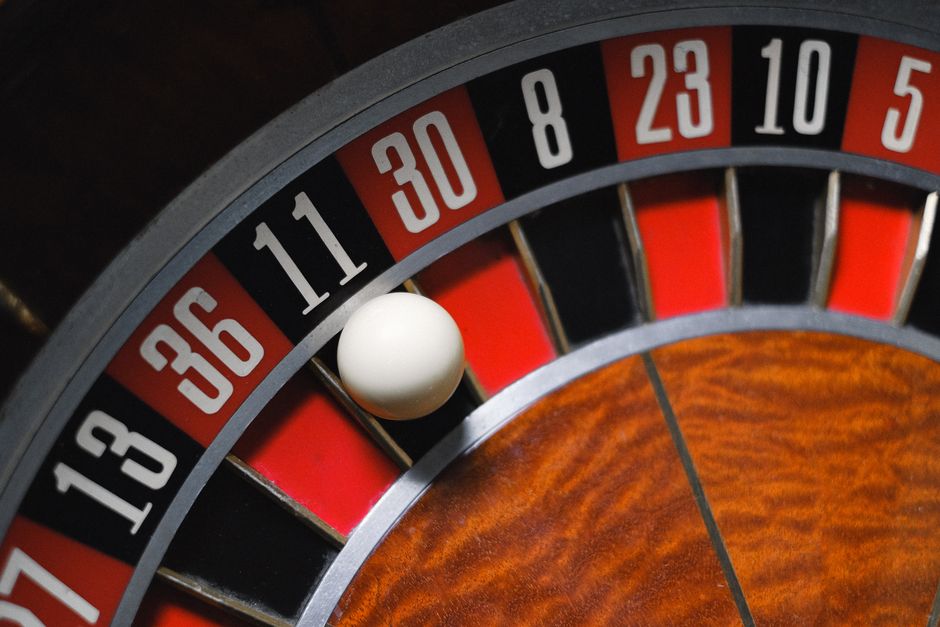
You've been there. Forty spins into a session, your balance is down to the last few credits, and the bonus round that would have saved you is nowhere to be found. Meanwhile, your friend hit a 500x win on the same slot an hour ago. Before you blame your luck or accuse the game of being rigged, you need to understand one word that explains almost everything about how slot sessions actually play out: volatility.
It's the single most misunderstood concept in iGaming, and it's the reason two players on identical budgets can walk away with completely different stories. Let's break down what volatility really means, how it interacts with return-to-player percentages, and how you can use it to pick machines that actually suit the way you like to gamble. สล็อตเว็บตรง is a solid starting point for anyone new to this.
Volatility (sometimes called variance) describes how a slot distributes its payouts over time. Every slot has a theoretical RTP, usually somewhere between 94% and 97%. That number tells you what percentage of all wagered money gets returned to players over millions of spins. What it doesn't tell you is when those returns arrive.
A low-volatility slot spreads its payouts thinly and frequently. You'll see lots of small wins, your balance will drift slowly downward, and big multipliers are rare. Think classic three-reel games and many of the simpler five-reel titles from the early 2010s. A high-volatility slot does the opposite. Long dry spells are normal, but when a win lands, it can be 1,000x, 5,000x, or in extreme cases 50,000x your stake.
Here's a concrete example. Two slots both have 96% RTP. Slot A has a maximum win of 500x and hits the bonus every 80 spins on average. Slot B has a max win of 50,000x and triggers its bonus roughly every 400 spins. Same RTP, wildly different experiences. That difference is volatility, and it's why RTP alone is a terrible way to choose a game.
Most developers and casino lobbies categorise slots into three rough bands. Understanding which band fits your bankroll and temperament is the real skill.
No band is objectively better. The mistake is playing a high-volatility monster with a $20 budget and expecting a long, entertaining session.
Here's a rule that experienced players swear by: your session bankroll should cover at least 200 to 300 spins on a high-volatility slot, and around 100 to 150 on a low-volatility one. If you're betting $1 per spin on a high-variance game, you want a starting balance of $200 to $300 just to give the variance room to work itself out.
Why? Because with 400-spin average bonus intervals, a 50-spin session is statistically almost meaningless. You're essentially buying a lottery ticket and being surprised when it doesn't pay. Longer sessions let the RTP do its job, even though the house edge still grinds you down in the long run.
That last point matters more than any other. Most busted bankrolls aren't caused by bad volatility choices. They're caused by doubling your stake after a cold streak, which accelerates the drain dramatically.
If you play poker or bet on sports, you already understand variance whether you realise it or not. A poker player who only plays premium hands is running a low-variance strategy with a high win rate per hand, while a loose-aggressive player chasing draws is choosing high variance for the chance at bigger pots. Sports bettors who only back heavy favourites are trading payout size for hit rate; those loading up on 10-leg accumulators are doing the exact opposite.
The concept scales across the entire iGaming ecosystem. A blackjack player using basic strategy faces tiny variance per hand and can grind for hours on a modest bankroll. A video poker player hunting a royal flush is accepting brutal variance for a shot at a 4,000-coin payout. Even bingo and crash-style games have their own volatility profiles.
Once you start seeing every game through this lens, your bankroll management improves across the board. You stop asking "is this game fair?" and start asking "does this game's payout pattern match what I want from this session?"
"Hot" and "cold" machines don't exist. Each spin on a modern slot is independent, usually determined by a random number generator that has no memory of what came before. A slot that hasn't paid in 300 spins isn't "due" for a win. Its volatility simply means long gaps are expected, and the next spin is statistically identical to the last one.
Equally misleading is the idea that higher RTP always means a better game. A 97% RTP high-volatility slot might drain your entire balance before you ever see the RTP average kick in. A 95% RTP low-volatility game could keep you spinning for two hours on the same budget. RTP governs long-run returns; volatility governs the ride.
Finally, no strategy changes the math. Buying bonuses, using autoplay, switching stakes, or playing at certain times of day won't shift the underlying probabilities. What you can control is game choice, stake size, and session length. Those three variables are where real decisions live.
The next time you sit down to play, look up the volatility rating before you deposit a single credit. Filter casino lobbies by variance to match your budget. If you have $50 to spend and want two hours of entertainment, pick a low-volatility game and set a spin size of 20 to 30 cents. If you have $300 and enjoy the rollercoaster, grab a high-volatility classic and prepare for silence punctuated by fireworks.
Slot volatility isn't a flaw in the design. It's a dial that lets you tune the same house edge into wildly different experiences. Players who understand that dial stop feeling cheated when a session goes cold. They chose the ride, they knew the shape of it, and they managed their bankroll accordingly. That shift in mindset is worth more than any betting system ever sold online.
Play the game that fits your bankroll, not the one that fits someone else's highlight reel.
Learn how thoughtful layout, light, and multifunctional furniture can make a compact home feel generous and calm.

Cracks, knots, and uneven glazes aren't flaws to hide — they're the details that make a room feel alive.
Explore how the minimalist aesthetic is softening, trading stark white boxes for texture, warmth, and lived-in comfort.

Understand how layering light sources can transform the mood of every room in your home, from kitchen to bedroom.

The space where you arrive and leave deserves more thought than a pile of shoes and a hook.

Learn how thoughtful layout, light, and multifunctional furniture can make a compact home feel generous and calm.
Copyright © 2026 Open Window. All Rights Reserved.




Roseanne Williams
Sep 15, 2026 ReplyDiscover how embracing patience and collecting pieces over time can create a home with more soul than any weekend makeover.